Dental Health for Pets: Why It Matters and How to Maintain It
Dental Health for Pets: Why It Matters and How to Maintain It
Every wagging tail and purring companion brings joy into our lives — but what many pet owners don’t always notice is how crucial dental health is to their pet’s overall well-being.
Just like humans, dogs and cats can suffer from dental disease, and the consequences go far beyond bad breath. Understanding why dental care matters, how to recognize problems early, and what steps you can take at home and with your veterinarian can help your furry friend stay happy, healthy, and pain-free.
🦷 Why Dental Health Matters
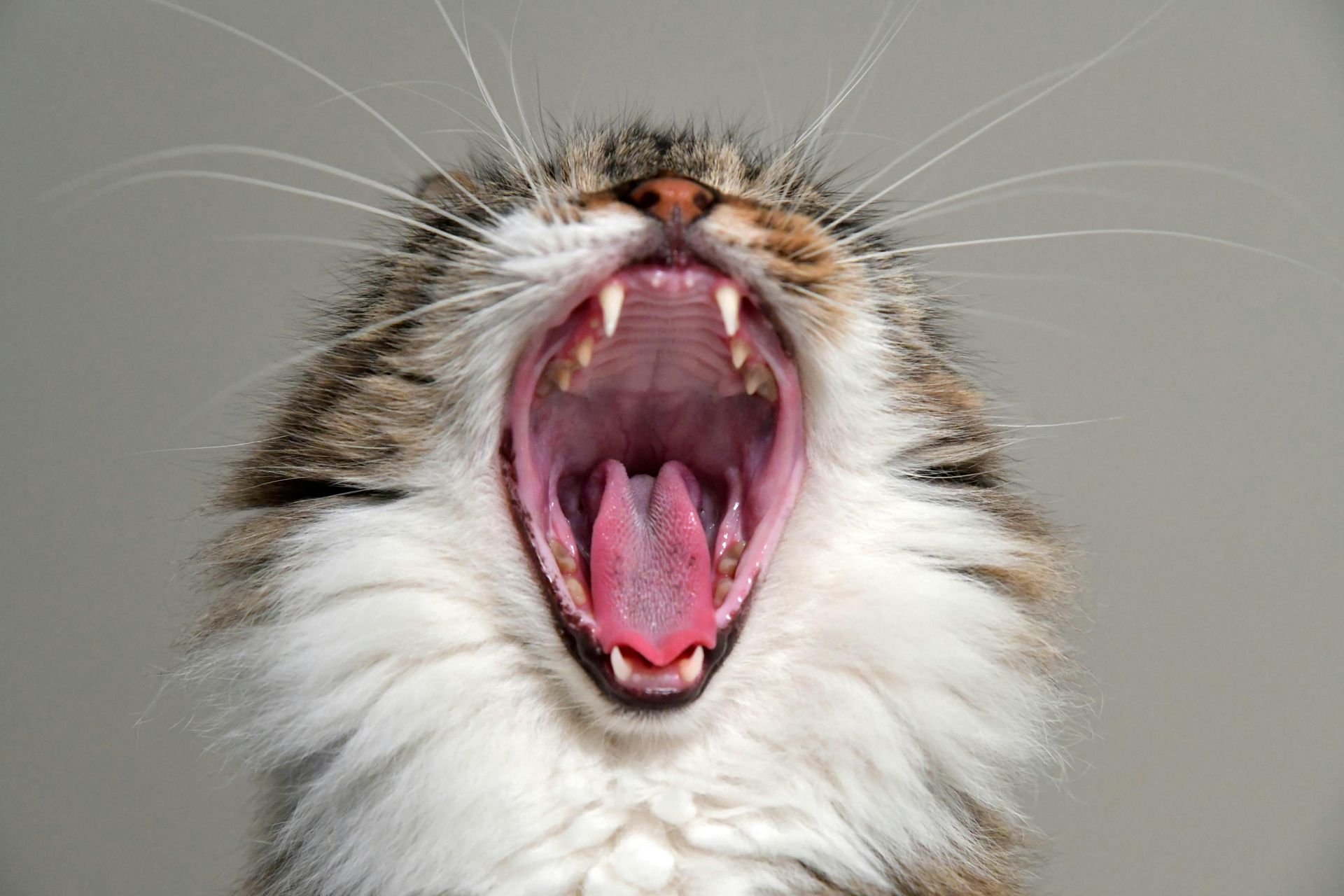
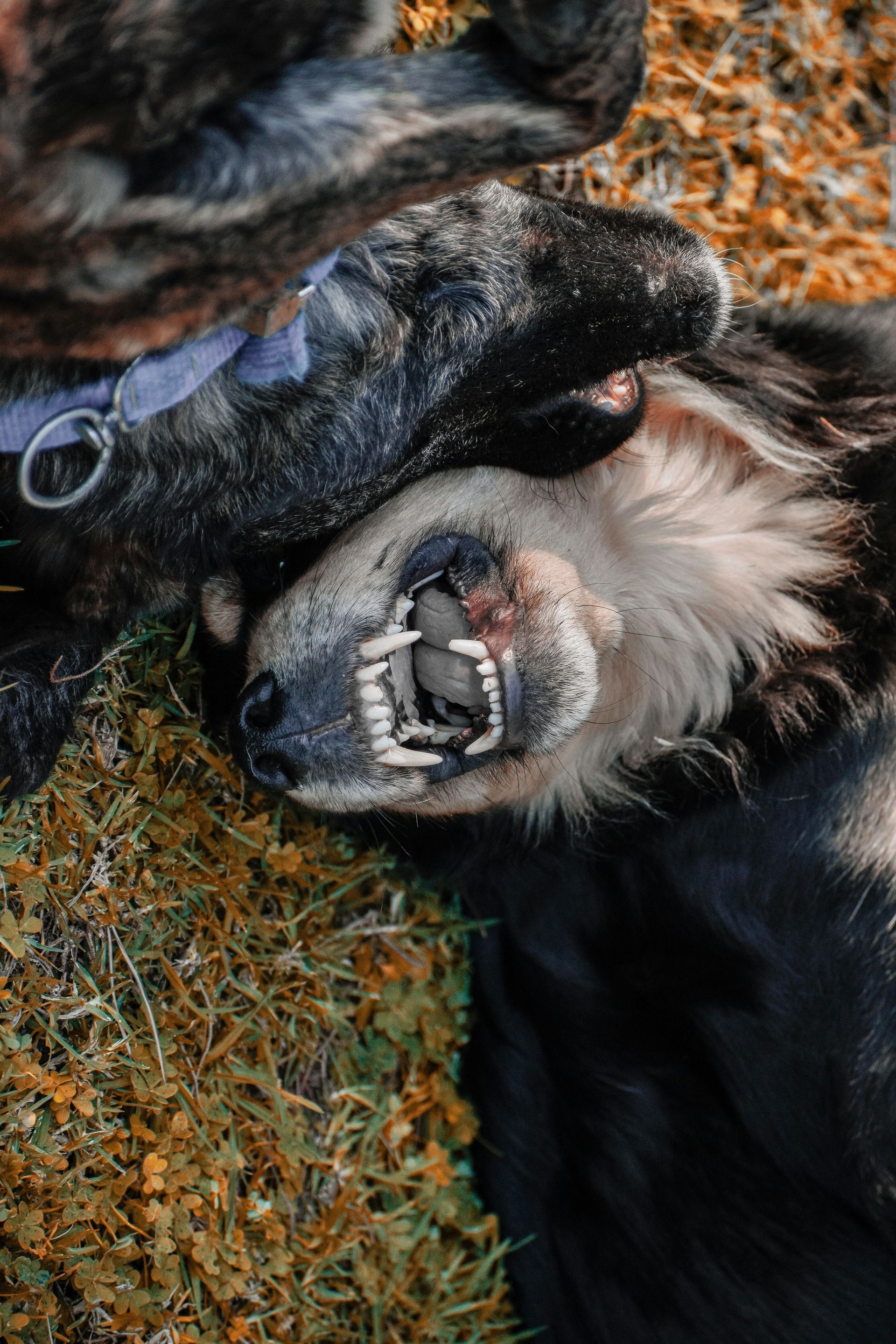
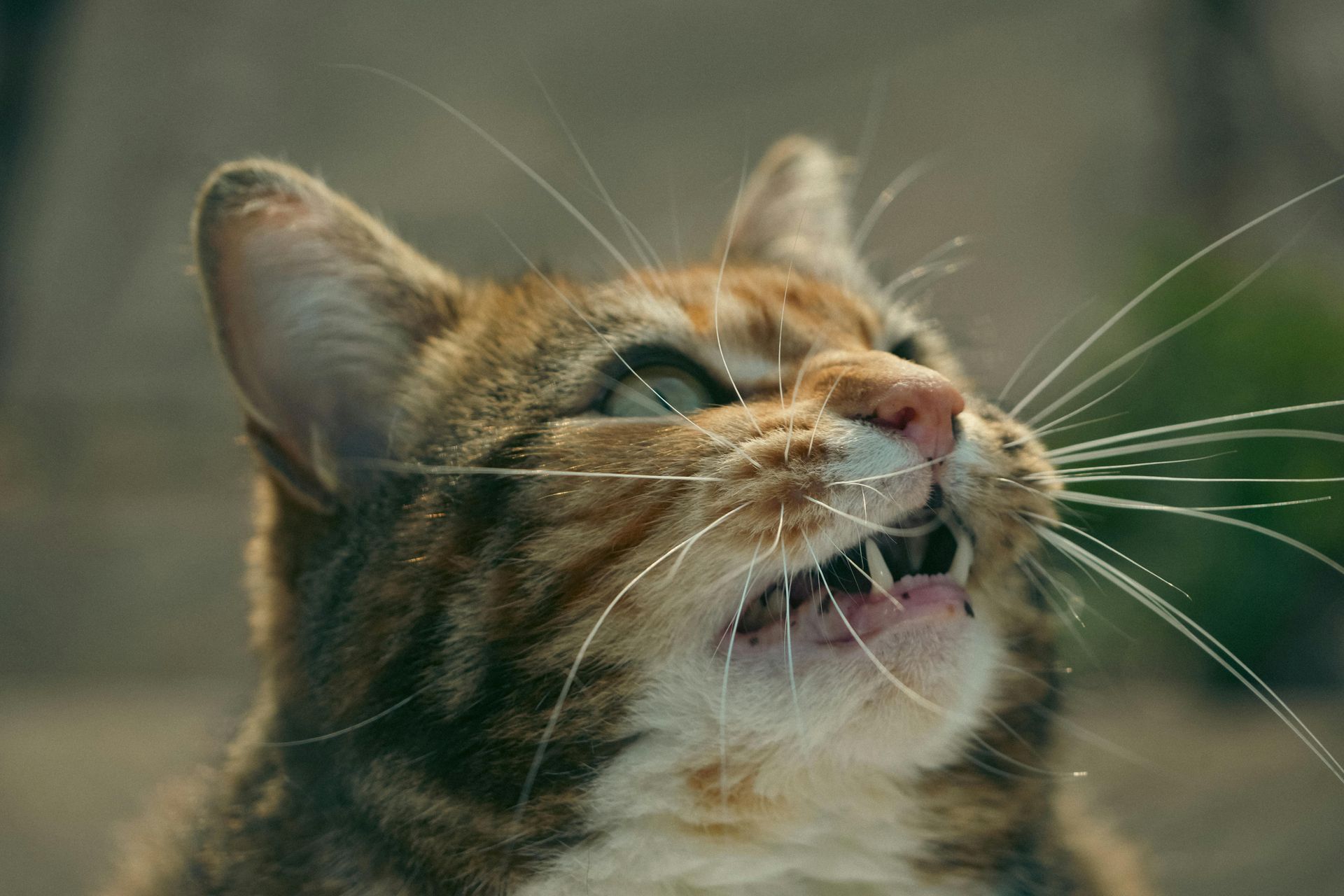
Your pet’s mouth is more than just a smile — it’s a gateway to their overall health. Dental disease is one of the most common health issues in pets, with most dogs and cats showing signs of periodontal problems by around age three.
When plaque and tartar build up along the gumline, bacteria can enter the bloodstream and affect vital organs such as the heart, liver, and kidneys, potentially leading to serious health issues.
Signs of Dental Disease
- Persistent bad breath
- Difficulty eating or reluctance to chew
- Red, swollen, or bleeding gums
- Loose or missing teeth
- Reluctance to play with chew toys
At-Home and Professional Dental Care
While professional care is the foundation, what you do at home makes a huge difference in protecting your pet’s dental health. Daily tooth brushing with a pet-specific toothbrush and toothpaste helps remove plaque before it hardens into tartar. It’s important to never use human toothpaste, as certain ingredients can be toxic to pets.
In addition to brushing, vet-approved dental chews and treats can play an important role in maintaining oral hygiene. These products help mechanically reduce plaque buildup between brushings while giving your pet something enjoyable to chew on.
Diet can also impact your pet’s dental health. Some specially formulated dental diets are designed to reduce tartar accumulation as your pet eats. Your veterinarian can help determine whether a dental diet is a good option for your pet’s specific needs.
_____________________________________________
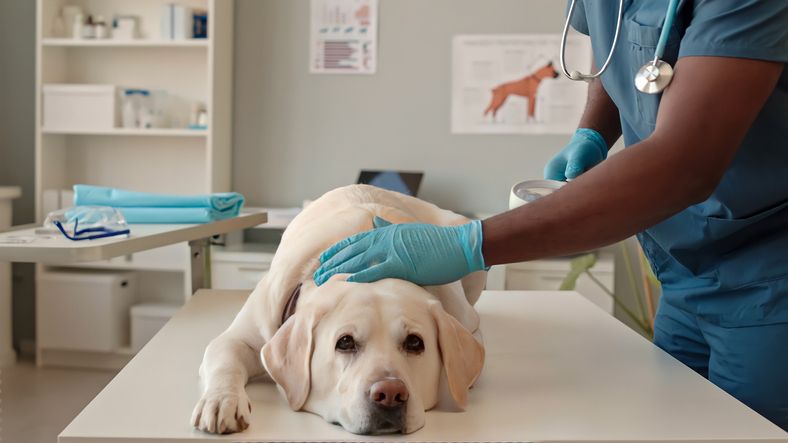
Routine veterinary dental check-ups are critical to maintaining your pet’s oral health. During these exams, veterinarians carefully examine your pet’s teeth and gums to identify early signs of disease or discomfort. Professional cleanings performed under anesthesia allow plaque and tartar to be safely removed from above and below the gumline—areas that can’t be cleaned effectively at home. Dental X-rays may also be used to evaluate the health of tooth roots and the jaw, helping uncover issues that aren’t visible during a surface exam. If any problem teeth are found, they can be treated or extracted to prevent pain and further complications.
Most pets should have a professional dental exam at least once a year, and many benefit from routine cleanings to help prevent the progression of dental disease.

Contact Us Today to Schedule a Dental Evaluation!
Your pet relies on you to advocate for their health — and dental care is a big part of that. If it’s been a while since your furry friend’s last dental exam, or if you’ve noticed any changes in eating, chewing, or breath quality, contact your veterinarian to book a dental evaluation.
At Reidville Road Animal Hospital, our team of compassionate and experienced veterinarians is proud to prevent and treat the oral health of pets throughout the Spartanburg, Boiling Springs, Moore, Duncan, Lyman, and Roebuck communities.
Contact our local vet clinic if you suspect any signs of tooth and gum issues that may be affecting your dog or cat!